.jpg)


Sagsai Golden Eagle Festival 2026: Living Heritage in the Mongolian Altai
17–18 September 2026 | Sagsai, Bayan-Ölgii, Western Mongolia
Eagle hunters, horses, open mountains and a tradition still carried from one generation to the next.
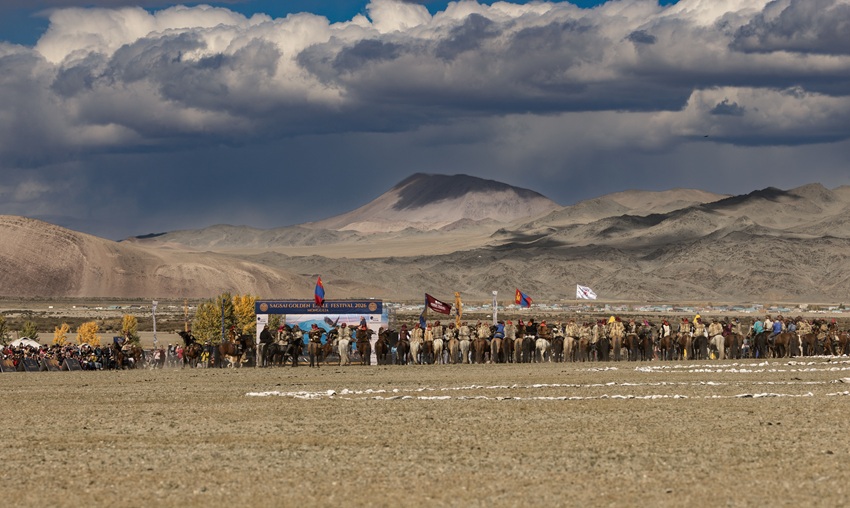
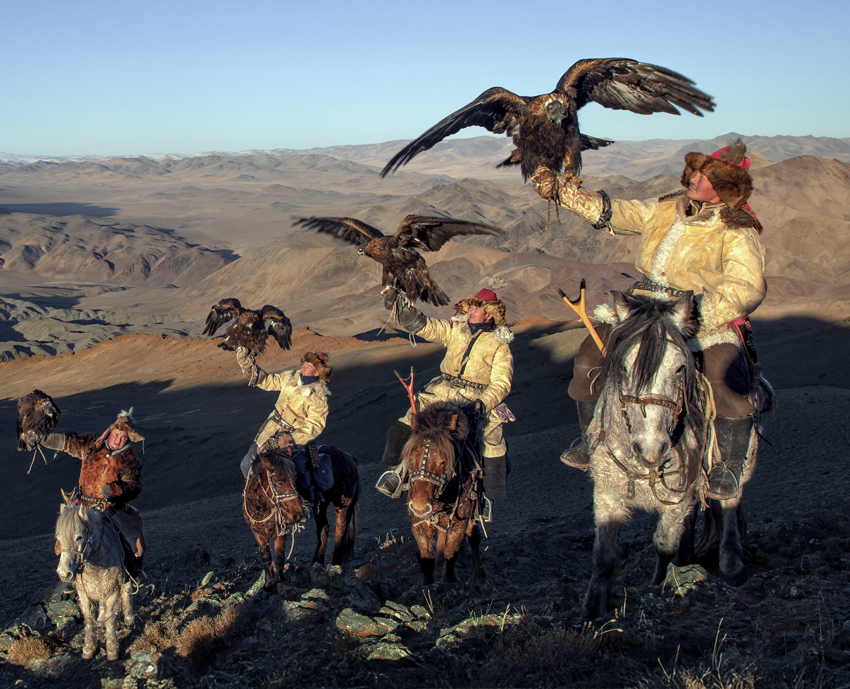
On 17–18 September 2026, the quiet valley of Sagsai in Bayan-Ölgii once again filled with horses, golden eagles, families, travellers and photographers for the annual Sagsai Golden Eagle Festival.
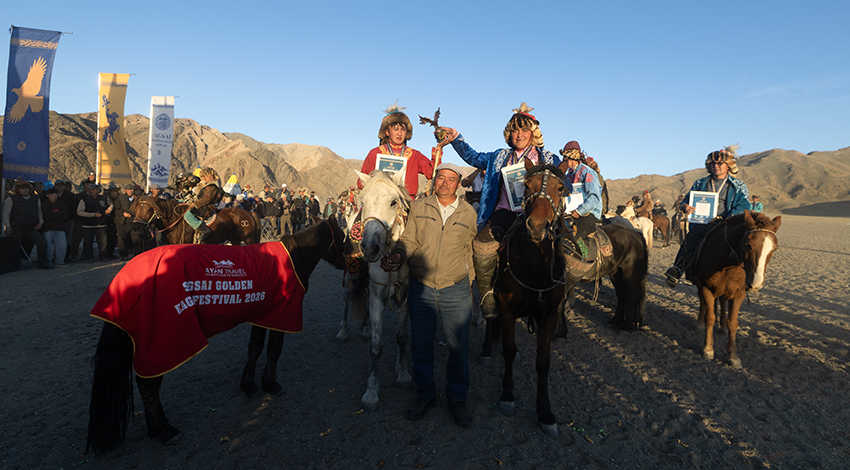
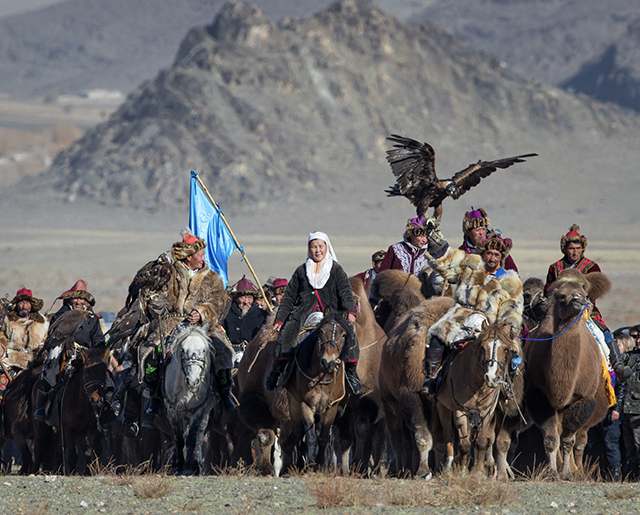
Around 80 eagle hunters from six soums — Sagsai, Buyant, Ulaankhus, Nogoon Nuur, Tolbo and Altantsögts — gathered for two days of eagle hunters’ competitions, traditional Kazakh horse games, music, dance and community celebration.
Initiated and organised by AYAN TRAVEL LLC, together with the Sagsai Eagle Hunters’ TULEK Association and the Sagsai Soum Governor’s Office, the festival has grown steadily over the years.
Yet growth is not what defines Sagsai. Its character comes from something older: the relationship between a hunter and his eagle, horses moving across open country, families who have carried this knowledge for generations, and a landscape that is still allowed to remain part of the story.
A New Generation Steps Forward
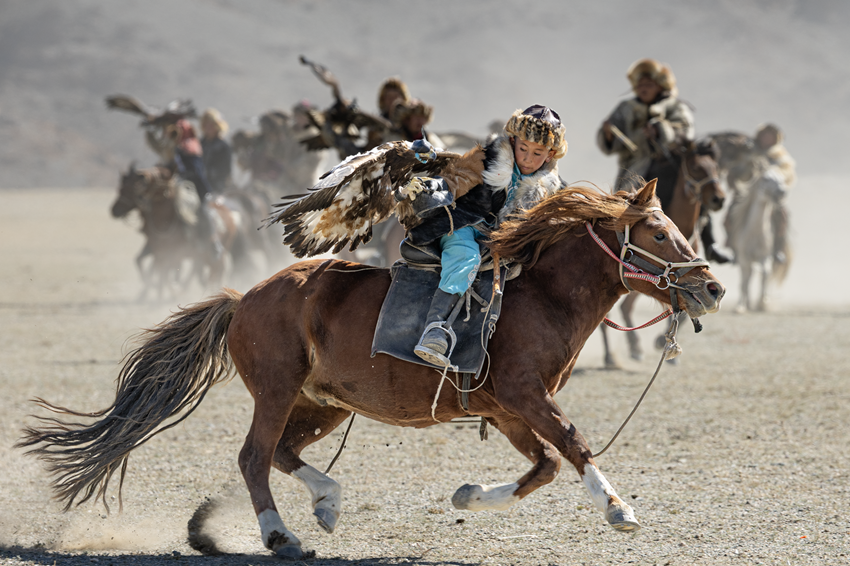
One of the strongest stories of the 2026 festival came from its youngest competitors. Fifteen-year-old E. Yeldos of Sagsai won the eagle hunting competition, receiving a horse as the first-place prize, trophy and gold medal. Ten-year-old B. Dinislam, also from Sagsai, finished third.
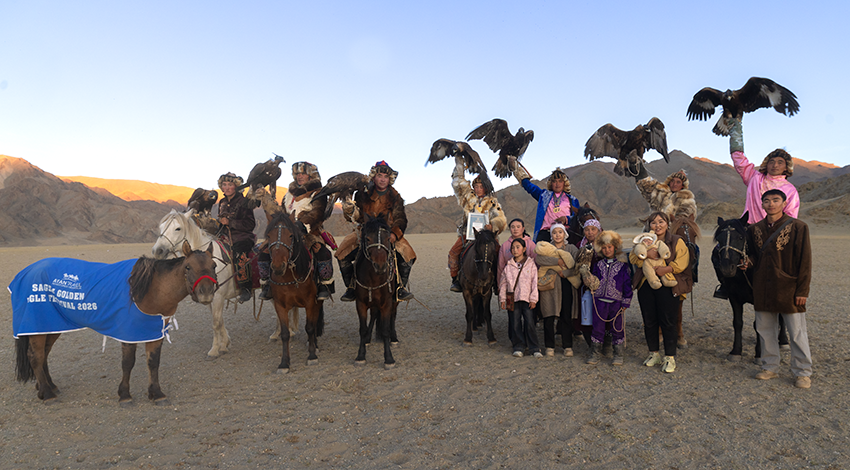
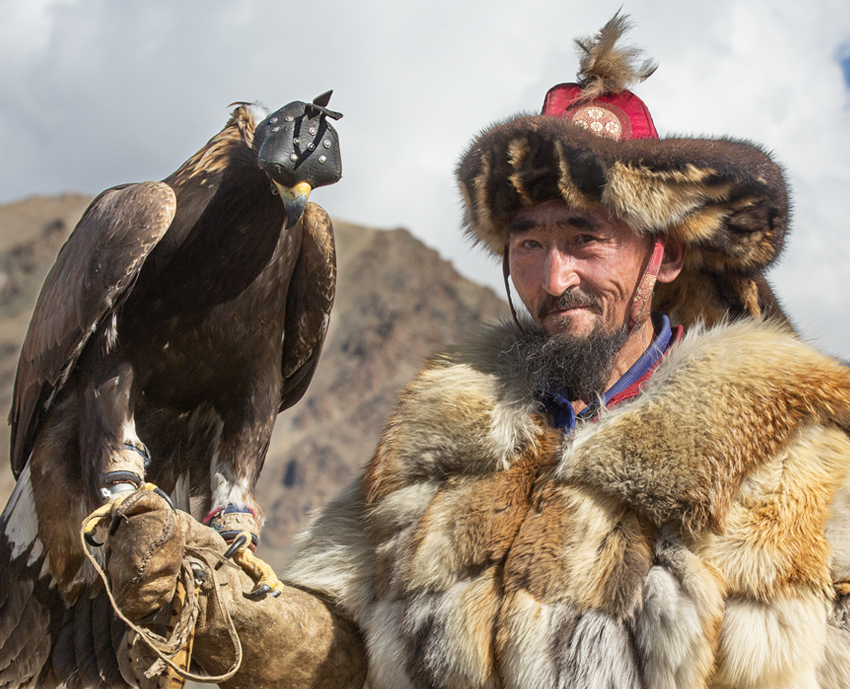
Their success was more than a competition result. Golden eagle hunting in western Mongolia is often described as an ancient tradition. That is true — but the word ancient can make a culture sound as though it belongs only to the past. In Sagsai, it does not. It is still being learned, still being practised and still being passed from one generation to another.
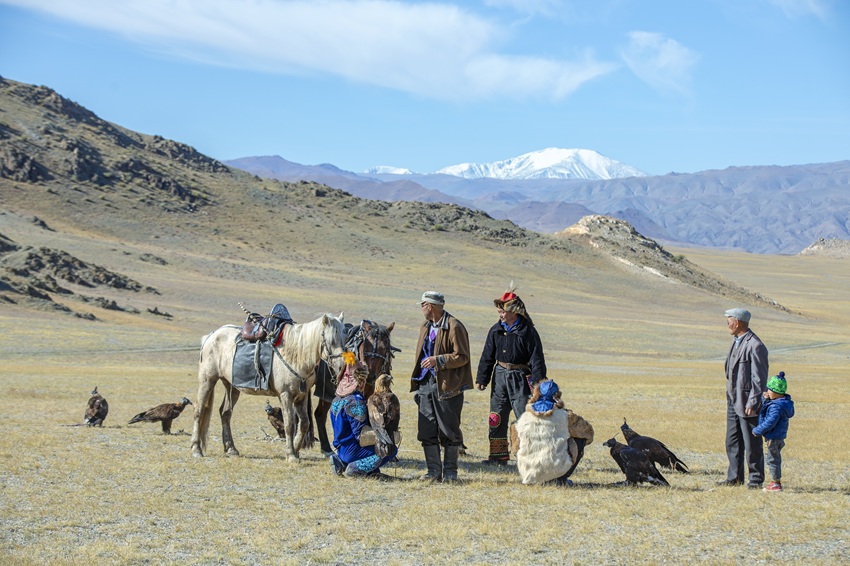
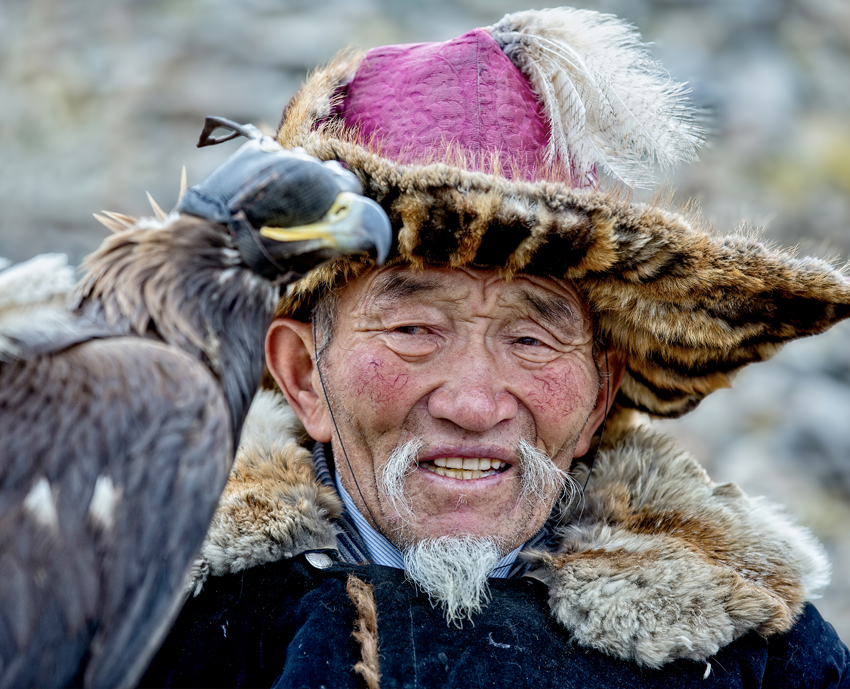
That continuity was visible elsewhere on the festival field. Seventy-year-old veteran eagle hunter B. Khaizym attended together with his eight-year-old granddaughter, Kh. Agerke, who received a special young participant award and medal. An elder hunter and a child standing on the same ground, surrounded by horses and eagles, perhaps says more about the future of the tradition than any speech could.
More Than an Eagle Competition
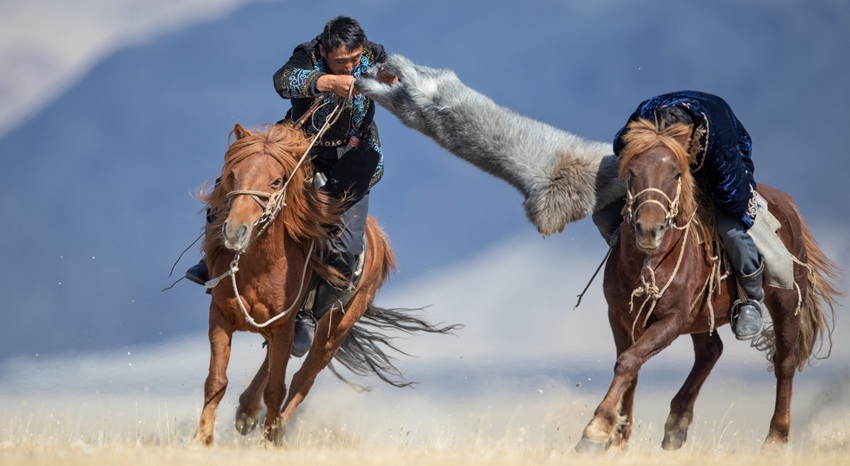
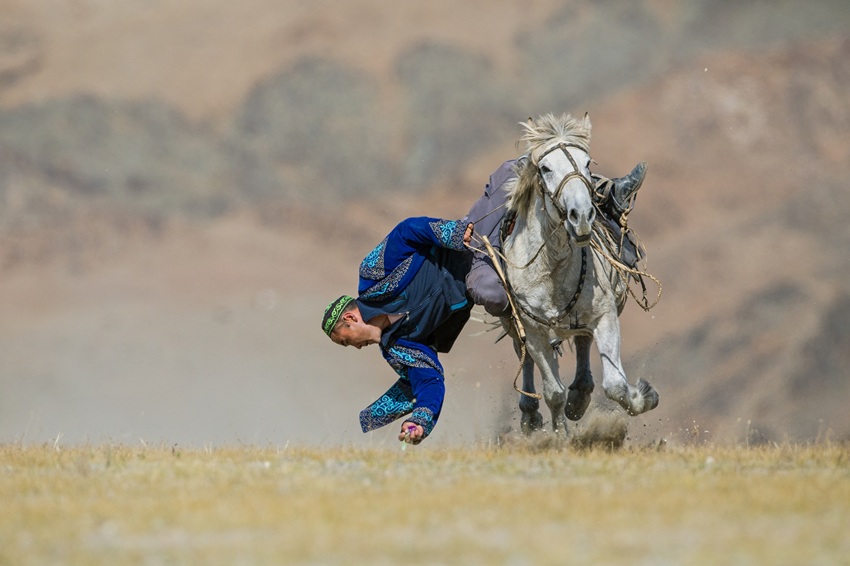
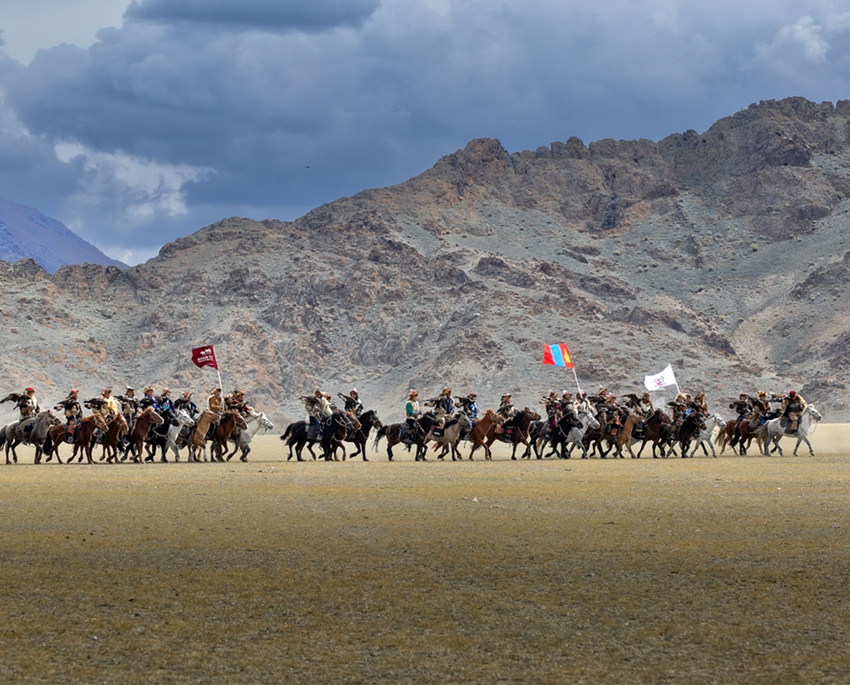
The golden eagles may be at the heart of the festival, but Sagsai is also a celebration of Kazakh horsemanship and local culture. The two-day programme included the eagle hunters’ parade, cultural presentations and several traditional horse competitions.
In KYK-BAR, one of the festival’s major prize events, E. Zhankeldi of Sagsai took first place. In TENGE-ILU, the traditional horseback coin-grabbing competition, S. Zhenisbek of Sagsai won first place, followed by Kh. Baibolat and E. Damysbek. The programme also included KIZ KHUAR, another traditional Kazakh horseback game.
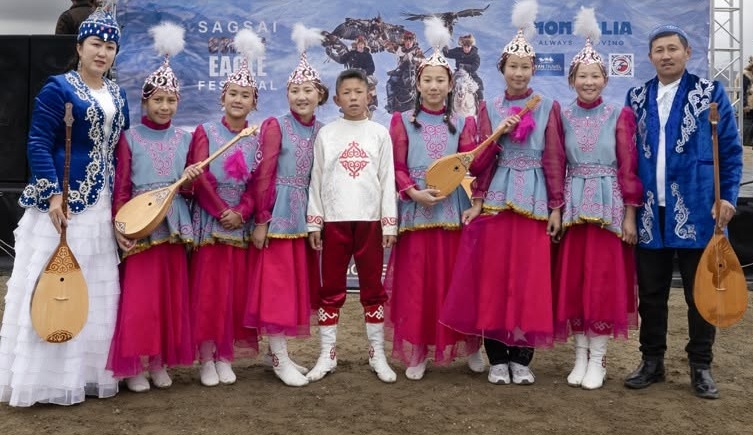
Away from the competition ground, the children of Sagsai’s GULDER ensemble, led by teacher Gagariny Akherke, performed Kazakh songs, music and dances throughout the festival. These elements matter because Sagsai is not simply an event built around a single spectacle. The eagles, horses, music, clothing, families and landscape belong to the same cultural world.
Why Sagsai Feels Different
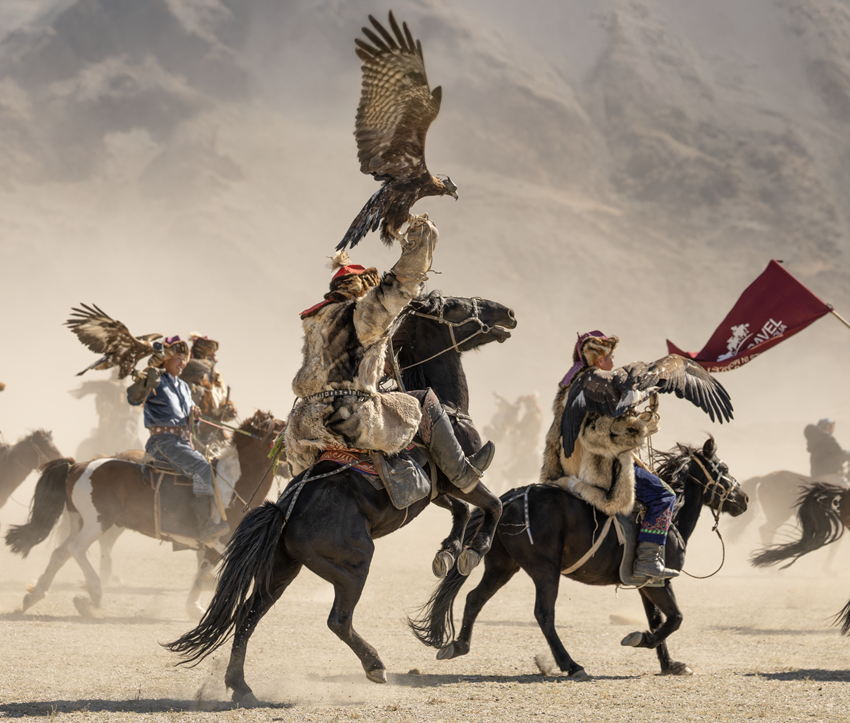
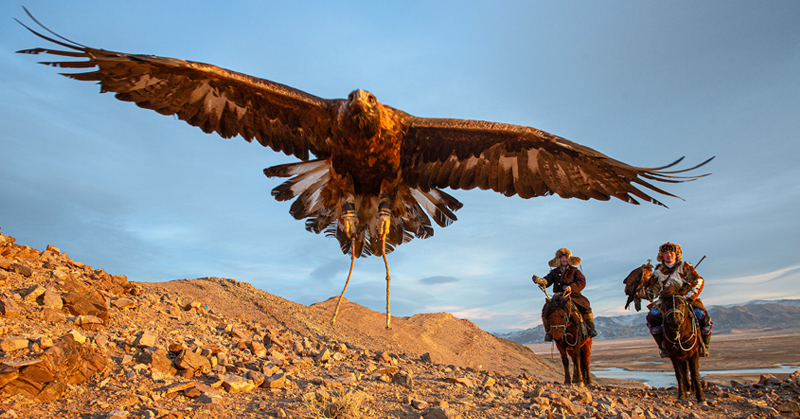
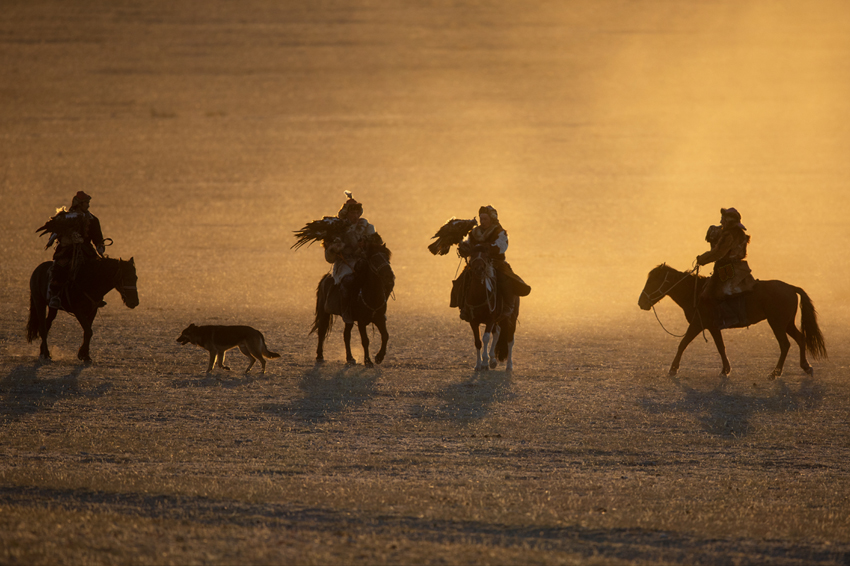
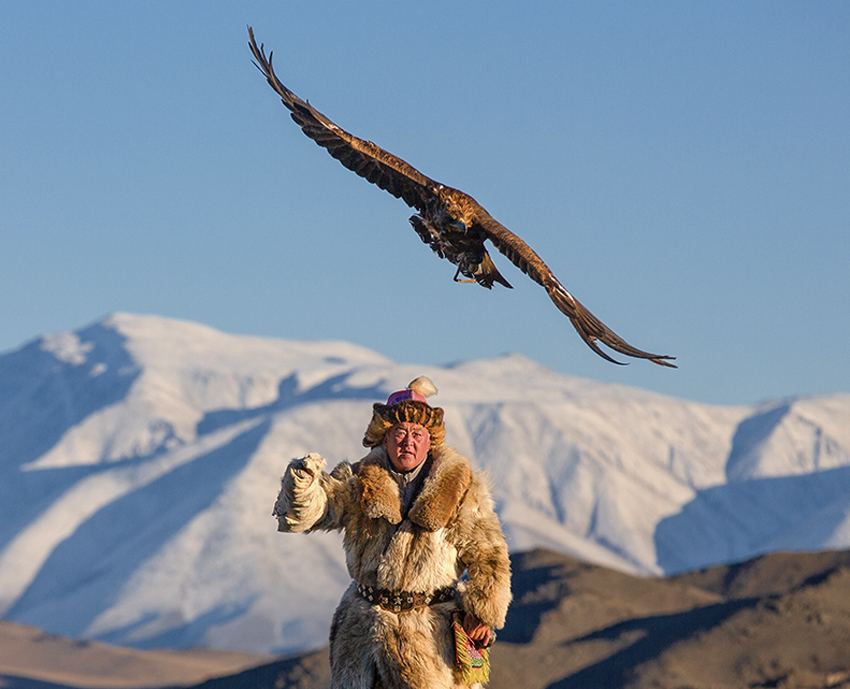
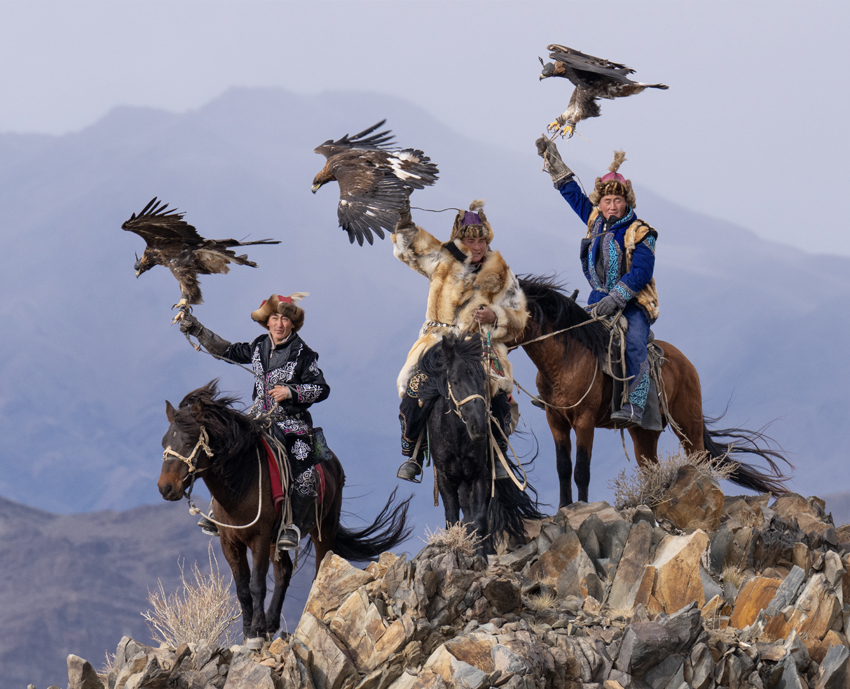
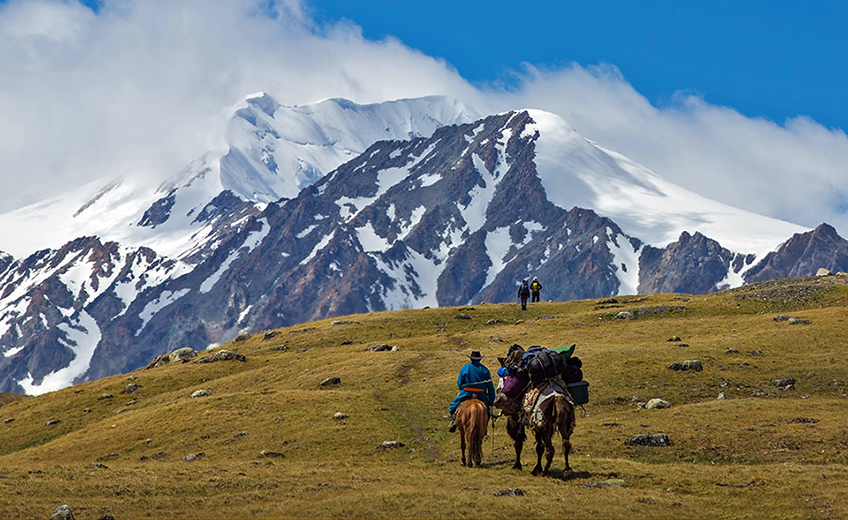
There are moments at Sagsai when the festival almost seems to disappear. A horseman rides away from the crowd. A golden eagle opens its wings against a dark mountain. A line of hunters crosses the steppe.
For a photographer, those moments are often more powerful than the ceremony itself. One of the principles behind the Sagsai festival has always been to keep the surrounding landscape visible. The event takes place in an open valley where the mountains, sky and steppe remain part of the visual experience. Wherever possible, unnecessary structures and visual clutter are kept away from the main action.
This is particularly important for photographers. The aim is not simply to photograph an eagle hunter standing at a festival. It is to photograph the hunter, horse and eagle within the environment to which they belong. That distinction may seem small. In photography, it changes everything.
A Festival Made for Photographers — Without Becoming a Photo Set
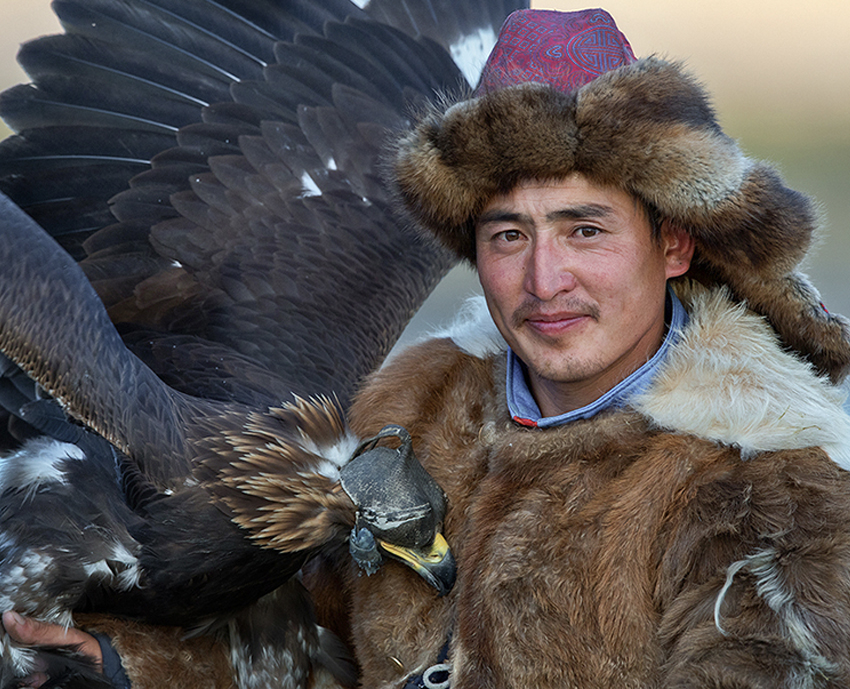
Sagsai continues to attract photographers, videographers and visual storytellers from different countries. The reasons are obvious: golden eagles, expressive faces, traditional clothing, powerful horses and the Altai Mountains offer extraordinary visual possibilities.
But the festival is not intended to become a staged photography set. That balance matters. The strongest images often come from real interactions: an eagle hunter preparing his bird, children watching from horseback, an older hunter talking with friends, a horse moving through dust, or an eagle suddenly spreading its wings.
The photograph comes from the life already happening in front of the camera. For photographers who stay longer in Bayan-Ölgii, the festival can also become the beginning rather than the end of the journey. Before and after the event, many visitors spend time with eagle hunter families, travel into the mountains and photograph the wider landscape and daily life of the region.
This is where a two-day festival becomes a much deeper encounter with western Mongolia.
A Festival That Travels Through Images
One of the most distinctive forms of international promotion created by Sagsai happens after the festival is over. Photographers and videographers return home with thousands of images and hours of footage — each carrying a fragment of the Altai, its people and its eagle hunting heritage to a much wider audience.
In the weeks and months ahead, photographs and films made in Sagsai will travel far beyond western Mongolia — through personal projects, exhibitions, publications, travel stories and social media around the world. In that sense, the festival continues long after the final horse has left the valley.
For Sagsai, every strong photograph becomes part of its international story.
Sagsai Should Still Feel Like Sagsai
As the festival grows, this becomes increasingly important. Sagsai is not trying to become the largest possible event. Its pride lies elsewhere: in the people who carry the tradition, in the valley where it takes place, in the closeness between generations, and in the fact that a visitor can still look beyond the festival ground and see horses, mountains and open country stretching into the distance.
Development is necessary. In 2026 the festival introduced improved stage design, programme boards, participant identification, QR-based visitor information and better visitor services. Safety arrangements were also strengthened, including an ambulance stationed at the festival ground throughout both days.
But improvement should never mean losing the character that made the place worth visiting in the first place.
Sagsai should still feel like Sagsai.
Tourism That Reaches Local Families
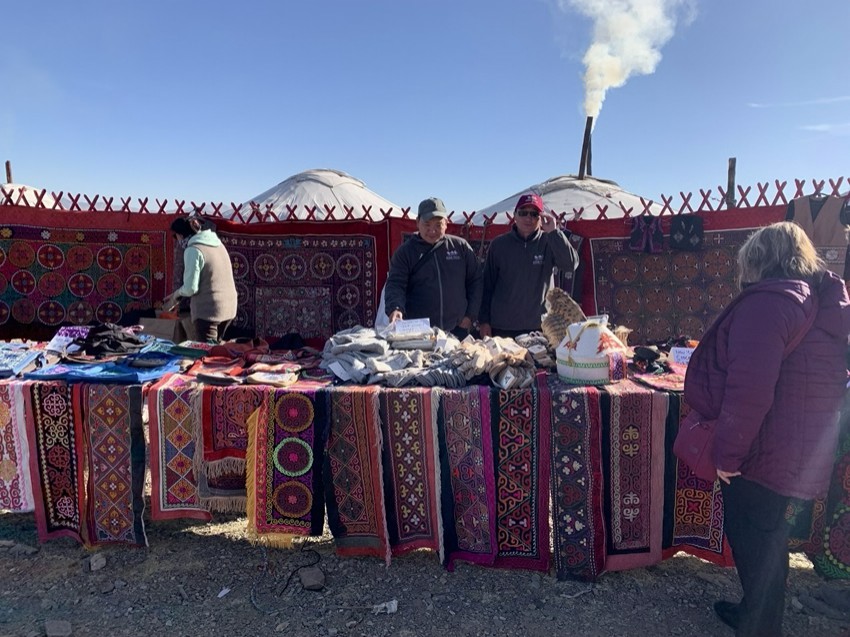
The impact of the festival extends far beyond the arena. Visitors stay in local hotels and ger accommodation. They hire drivers and guides. They use horses and vehicles, eat in local restaurants, buy handicrafts and souvenirs, and visit eagle hunter families.
Photographers frequently remain in the region before or after the festival for additional shoots and journeys into the mountains. For a remote region such as Bayan-Ölgii, this matters.
Tourism is most valuable when its benefits do not stop at the entrance gate of an event, but continue outward into the community. A festival can preserve pride in cultural heritage while also creating practical economic opportunities for the people who keep that heritage alive. The two should strengthen one another.
Looking Ahead to 2027
The first Sagsai Golden Eagle Festival was held in 2018 with a relatively small number of visitors. Interest has grown steadily since then.
But our ambition for Sagsai is not simply to make it bigger each year. It is to make it better organised, safer, more meaningful and more respectful of the heritage and landscape from which it comes.
SAGSAI GOLDEN EAGLE FESTIVAL 2027
17–18 September 2027 · Sagsai, Bayan-Ölgii, Western Mongolia
For travellers interested in Mongolia’s living cultures, photography, traditional horsemanship and the landscapes of the Altai, September is one of the most rewarding times to travel in western Mongolia.
You come to see golden eagles. You leave remembering much more — the sound of horses crossing the valley, the scale of the Altai Mountains, the pride of the eagle hunters, and children learning beside their elders.
That is the Sagsai we want to share. And that is the Sagsai we want to protect.
Visit Mongolian Photos

Latest Blogs


Most Read Blogs
Useful Travel Tips