.jpg)


Quick Facts Of The Country
Discover the essential facts about Mongolia, from its vast landscapes and nomadic culture to wildlife, climate, and practical travel information. Everything you need to know before planning your journey to Mongolia.
Quick Facts of Mongolia
QUICK FACTS ABOUT MONGOLIA
Mongolia is a vast land of open steppes, mountains, deserts, forests, and nomadic traditions. Located between Russia and China, it is one of the world's least densely populated countries and remains one of the few places where traditional nomadic herding is still widely practiced.
From the Gobi Desert in the south to the forests and mountains of the north, Mongolia offers extraordinary diversity in both landscapes and culture. The following facts and frequently asked questions provide a useful introduction for travelers planning a journey to Mongolia.
ESSENTIAL FACTS ABOUT MONGOLIA
Official Name: Mongolia
Capital City: Ulaanbaatar
Population: Approximately 3.5 million
Area: 1,564,116 km²
Population Density: About 2 people per km²
Currency: Mongolian Tögrög (MNT)
Approximate Exchange Rate (June 2026):
-
1 US Dollar ≈ 3,600 MNT
-
1 Euro ≈ 4,100 MNT
Official Language: Mongolian
Writing System: Cyrillic Mongolian and Traditional Mongolian Script
Time Zone: UTC +7 and UTC +8
Country Calling Code: +976
Driving Side: Right
Highest Point: Khüiten Peak (4,374 m)
International Airport: Chinggis Khaan International Airport
Main Religion: Tibetan Buddhism
GENERAL INFORMATION
Where is Mongolia located?
Mongolia is located in Central and East Asia between Russia and China. Despite its large size, it has one of the lowest population densities in the world.
What is the capital of Mongolia?
The capital city is Ulaanbaatar, home to nearly half of the country's population and the political, economic, and cultural center of Mongolia.
How large is Mongolia?
Mongolia covers 1.56 million square kilometers, making it one of the largest countries in Asia and larger than many Western European countries combined.
What language do people speak in Mongolia?
The official language is Mongolian. English is increasingly spoken in Ulaanbaatar and major tourist destinations.
What religion is practiced in Mongolia?
Tibetan Buddhism is the dominant religion. Ancient shamanic traditions also remain important, especially in rural regions.
CULTURE AND TRADITIONS
What is a Mongolian Ger?
A Ger is the traditional portable home of Mongolia's nomadic families. Designed to withstand extreme weather conditions, it remains an essential part of rural life across the country.
What should visitors know before entering a Ger?
Traditionally, visitors should not step on the threshold, lean on support columns, or touch personal belongings without permission. Guests are usually welcomed warmly and offered tea or food.
What food is commonly offered to guests?
Milk tea (Suutei Tsai), dried curd (Aaruul), fried pastries (Boortsog), dairy products, and traditional meat dishes are often offered to visitors.
How hospitable are Mongolians?
Hospitality is one of the most respected values in Mongolian culture. Travelers are often welcomed into homes, offered food and tea, and invited to share conversations.
What is Naadam Festival?
Naadam is Mongolia's most important national festival, held annually on July 11–13. It celebrates wrestling, horse racing, and archery.
NATURE AND GEOGRAPHY
What types of landscapes can be found in Mongolia?
Mongolia includes deserts, grasslands, mountains, forests, lakes, rivers, and alpine tundra. Few countries offer such diverse landscapes within one territory.
Is the Gobi Desert entirely covered by sand?
No. Only a small portion of the Gobi consists of sand dunes. Much of the region is rocky desert, gravel plains, and dry steppe supporting unique wildlife.
Why is Lake Khuvsgul called the Blue Pearl?
Lake Khuvsgul contains one of the largest reserves of fresh water in Asia. Its deep blue color and exceptional water clarity have earned it the nickname "The Blue Pearl of Mongolia."
What are Mongolia's most famous national parks?
Popular national parks include Gobi Gurvansaikhan National Park, Altai Tavan Bogd National Park, Khuvsgul National Park, and Khan Khentii Protected Area.
What is the highest mountain in Mongolia?
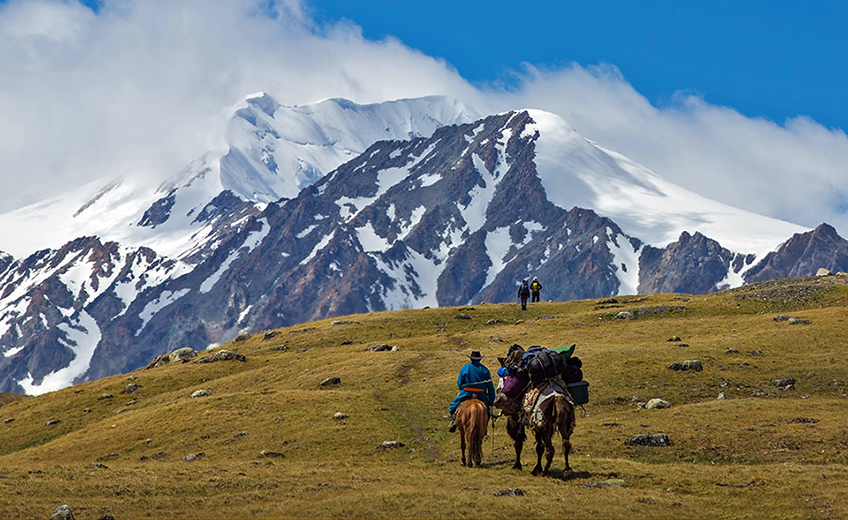
Khüiten Peak in the Altai Mountains reaches 4,374 meters and is Mongolia's highest point.
WILDLIFE
What animals is Mongolia famous for?
Mongolia is known for its horses, Bactrian camels, yaks, sheep, goats, snow leopards, Argali sheep, Siberian ibex, Golden Eagles, and Pallas's cats.
Are wild animals dangerous to travelers?
Most wildlife avoids people. Encounters with wolves, bears, or snow leopards are extremely rare. Travelers should always respect wildlife and avoid feeding animals.
Where can rare wildlife be seen?
Remote regions of the Altai Mountains, the Gobi Desert, and protected national parks provide opportunities to observe rare species in their natural habitats.
TRAVEL ADVICE
When is the best time to visit Mongolia?
Most travelers visit between June and September, when temperatures are mild and road conditions are generally favorable.
What clothing should I bring?
Layered clothing is recommended. Temperatures can change dramatically between day and night, especially in mountain and desert regions.
Is tap water safe to drink?
Bottled or filtered water is recommended for visitors, particularly outside major cities.
How reliable is internet coverage?
Ulaanbaatar and provincial centers generally have good mobile coverage. Remote regions of the Gobi, Altai, and northern wilderness areas may have limited or no signal.
What type of electrical outlets are used?
Mongolia uses 220V electricity and primarily European-style plug types C and E.
Can visitors use drones in Mongolia?
Drone use is permitted in many areas but may be restricted near borders, military facilities, airports, and some protected areas.
Is Mongolia safe for solo travelers?
Mongolia is generally considered a safe destination. However, travelers exploring remote regions should consider hiring a guide or driver due to long distances and limited communications.
Can visitors camp freely?
Wild camping is possible in many regions, but regulations may apply within protected areas and national parks.
INTERESTING FACTS
Why is Mongolia considered one of the least densely populated countries in the world?
With a population of around 3.5 million spread across 1.56 million square kilometers, Mongolia averages only about two people per square kilometer.
Are there really more horses than people in Mongolia?
Yes. Mongolia's horse population exceeds the human population, reflecting the country's deep connection to horses and nomadic culture.
What makes Mongolia unique?
Mongolia combines vast wilderness, traditional nomadic culture, ancient history, rich wildlife, and one of the world's last great open landscapes. It remains a destination where travelers can still experience genuine cultural traditions and remarkable natural freedom.
Related Blogs