


.jpg)

Travel and Tourism of Mongolia
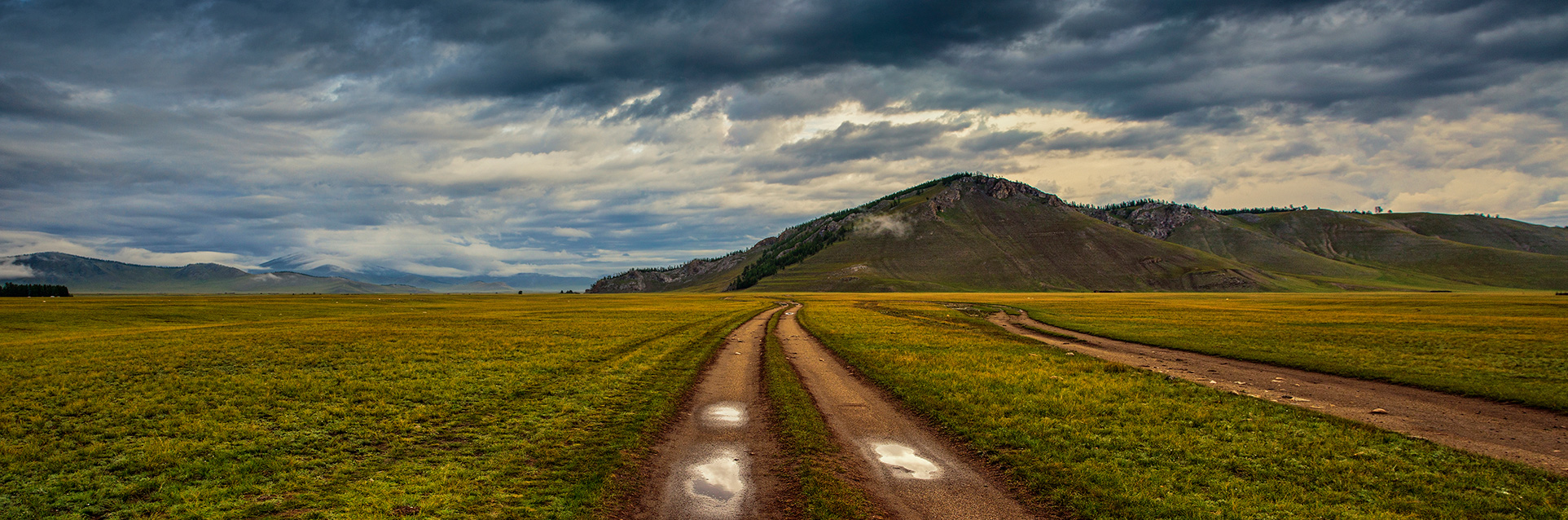
Mongolia is one of the world's last great travel frontiers. Covering a vast territory between Russia and China, the country is known for its open landscapes, traditional nomadic culture, rich history, and remarkable biodiversity.
Visitors can explore the dramatic dunes of the Gobi Desert, the crystal waters of Lake Khövsgöl, the snow-capped Altai Mountains, and the endless grasslands that have shaped Mongolian civilization for centuries. Across the country, travelers encounter ancient archaeological sites, Buddhist monasteries, eagle hunters, reindeer herders, and communities that continue to maintain traditional ways of life.
Tourism in Mongolia is centered on authentic experiences. Staying with nomadic families, horseback riding across the steppe, trekking in remote mountains, attending cultural festivals, and observing wildlife in its natural habitat allow visitors to connect deeply with both nature and local culture.
Mongolia is also becoming an increasingly important destination for adventure travel, photography expeditions, birdwatching, paleontological discoveries, and cultural tourism. Major events such as Naadam and the Golden Eagle Festival attract visitors from around the world each year.
Despite its growing popularity, Mongolia remains one of the least densely populated countries on Earth. This sense of space, freedom, and wilderness continues to be one of its greatest attractions, offering travelers an experience that is increasingly rare in the modern world.
Today, tourism plays an important role in supporting local communities, preserving cultural heritage, and promoting sustainable development while sharing Mongolia's unique landscapes and traditions with international visitors.


