


.jpg)

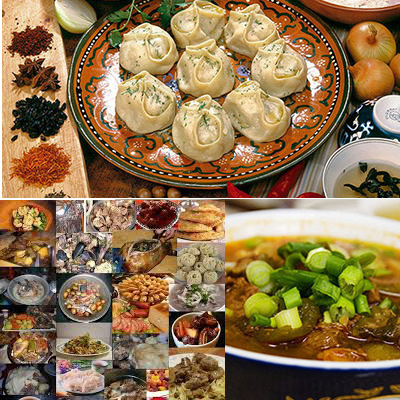
Traditional Mongolian cuisine
Mongolian cuisine developed around a nomadic way of life, where food needed to be practical, nutritious, and adapted to the country’s extreme seasons. Traditional dishes are closely connected to livestock herding and the resources available across the steppe.
Among the most popular foods are Buuz, steamed meat dumplings traditionally prepared during Tsagaan Sar, and Khuushuur, deep-fried pastries commonly enjoyed during festivals such as Naadam. Tsuivan, handmade noodles stir-fried with meat and vegetables, remains one of the most widely eaten everyday meals throughout Mongolia.
In rural regions, visitors may also encounter Khorkhog, a traditional dish cooked with heated stones inside a sealed container, and Boodog, a unique cooking method developed by nomadic herders in remote areas.
Food in Mongolia is more than nourishment. Meals are closely tied to hospitality, family gatherings, and seasonal traditions that continue to shape daily life across the country.


