


.jpg)

Ethnic diversity
Although the majority of Mongolia's population belongs to the Khalkha Mongol group, the country is home to numerous ethnic communities that enrich its cultural heritage. These groups have developed distinct traditions, dialects, clothing styles, music, and ways of life while sharing a common history within Mongolia.
The largest minority group is the Kazakh community of western Mongolia, particularly in Bayan-Ölgii Province. Kazakhs are known for preserving their language, Islamic traditions, and the ancient practice of eagle hunting. Their cultural festivals and craftsmanship contribute significantly to the diversity of the region.
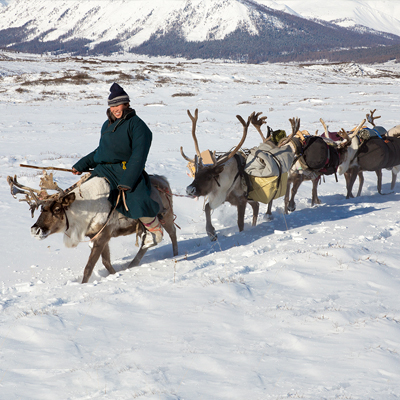
Other important ethnic groups include the Buryats, Dörvöds, Uriankhai, Darkhad, and Tuvans, each with unique historical backgrounds and cultural practices. Many of these communities continue to maintain strong connections to traditional herding lifestyles and local customs.
Mongolia's ethnic diversity reflects centuries of migration, cultural exchange, and adaptation to different environments across the country's vast landscapes. Despite regional differences, a strong sense of national identity and mutual respect has helped preserve social harmony and cultural continuity.
Today, visitors to Mongolia can experience this diversity through local festivals, traditional music, cuisine, crafts, and everyday life in different parts of the country, gaining a deeper understanding of the many cultures that shape modern Mongolia.


